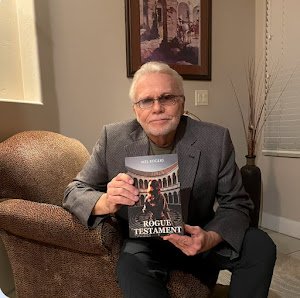
Have you ever picked up a book about ancient secrets and lost artifacts? You start reading and suddenly it is midnight. Stories like The Rogue Testament pull readers into worlds where history is not just facts in a textbook.
It is a treasure hunt. Hidden codes, dusty manuscripts, and old tombs become a mystery waiting to be solved. But why are these stories loved so much? Let’s break it down.
The Mystery of Lost Artifacts Feels Real
Imagine stumbling upon a 2,000-year-old box in an old mosque. Inside, there is a map and a coded message. Maybe even a relic that could rewrite history. Books about ancient secrets make you feel like this could happen to you.
Take Cyprus, for example. Real places like the Tomb of Lazarus or Hala Sultan Tekke Mosque are packed with legends. Authors use these spots to ground their stories in reality. When a character comes to know the secret in a place you have heard of, it feels believable. Like maybe you could find something too if you looked hard enough.
This mix of real history and “what if” fiction is why these books stick with readers. They are not just stories. They are adventures you can almost touch.
Everyone Loves Playing Detective
Let’s be honest. We all want to solve a mystery. Books about ancient secrets let readers play detective while sitting on the couch.
Imagine this: A librarian finds a faded manuscript in a forgotten archive. The pages hint at a hidden artifact tied to early Christianity. Suddenly, she is decoding symbols, dodging villains, and connecting dots across centuries. As you read, you start guessing too. Your imagination sparks, too. Is the clue in the stained glass? What does that fish symbol mean?
It is like a game. Authors drop breadcrumbs for readers to race to piece together. Even if the story is fiction, the thrill of solving a puzzle feels real. And when the hero cracks the code, you feel like you did it too.
Ancient Secrets Challenge What We Know
What if everything we learned about history is wrong? What if a lost manuscript proved that a famous religious story was misunderstood? Books like The Rogue Testament love this idea.
They ask big and burning questions: What if Lazarus’s resurrection was not what we think? Could a secret codex change how we see faith? These stories are more just entertainment; they make you wonder.
And that is powerful. When a book hints that real history might have hidden layers, readers pay attention. It is why people binge on these stories. They are not just escaping reality. They are questioning it.
Relatable Heroes Make the Adventure Feel Possible
You will not find superheroes in these stories. Instead, the heroes are librarians, historians, or everyday folks. People like you. When a small-town journalist digs into a local legend, readers think: That could be… me. No magic powers. Just curiosity and a bit of courage. These characters make the wildest adventures feel possible.
Plus, their struggles are real. Racing against time. Fighting greedy treasure hunters. Deciding whether to share a secret that could upset the world. These stakes keep pages turning because they are human. We get it.
Why These Books Will Always Be Popular
People crave two things: excitement and answers. Books about ancient secrets deliver both. They are packed with action-chases, puzzles, and chaos. But they also teach readers something. You might finish a chapter and Google “Lazarus Tomb Cyprus” or “ancient Christian symbols.” These stories make history fun.
And let’s face it: We love feeling smart. When a character cracks a code or outsmarts a villain, readers feel like they won, too. It is a rush you can’t get from textbooks. So next time you see a book about lost artifacts or religious mysteries, grab it. You are not just reading a story. You are joining a hunt.